
HIVE SPORT LAB
HIVE SPORT LAB
Innovation is the intellectual engine.
Education is the professional offer.
Delivery is the impact.
But Heritage is the soul of the project.
The Hive Heritage explores the ideas, history and identity that shape sport.
Through lectures, conversations and shared reflection, The Hive creates space to examine how sport evolves — looking beyond performance to consider the people, environments and decisions that influence the way games are played and organised.
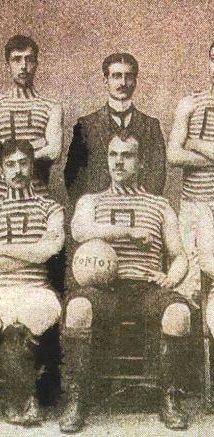

Small, historical lectures exploring the history, organisation and evolution of sport. These sessions bring together curious minds to explore ideas that shaped the culture and structure of sport.
Informal discussions where practitioners share experiences, perspectives and questions about the culture and direction of sport.
Exploring ideas and stories from across sport through relaxed conversations that connect practice, history and innovation.
Examining how sport evolves through rule changes, organisational structures, cultural influences and historical moments that shape the way games are played today.

Sport is not only shaped by performance and results. It is shaped by ideas, traditions, organisations and the people who influence how games are played and understood.
Understanding this broader cultural context helps practitioners see sport differently — opening new perspectives on coaching, development and the evolution of games.
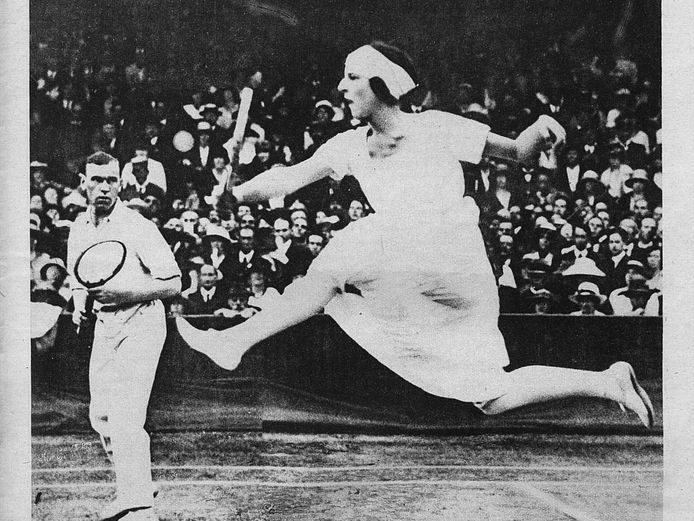
The Hive Heritage hosts lectures, small gatherings and recorded conversations designed to bring practitioners together around ideas that influence sport.
These events are intentionally informal — encouraging curiosity, discussion and new perspectives rather than formal presentations.
We need your consent to load the translations
We use a third-party service to translate the website content that may collect data about your activity. Please review the details in the privacy policy and accept the service to view the translations.